abdulmohiuddin
Well-known member
Gulf Air 787's seem nice...
Ah well, we shall see what HX and Phoenix have in store for this month
Ah well, we shall see what HX and Phoenix have in store for this month


Yep the retrosGulf Air 787's seem nice...
That was a conscious choice made by Gulf Air. There's a good story behind it.Yep the retros
Though still befuddled on the choice of gold to replace the original violet. Would have been really 'retro' if they'd stuck with the original scheme.
That was a conscious choice made by Gulf Air. There's a good story behind it.
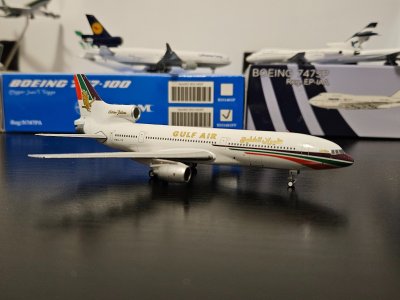
Gulf Air was founded from the remains of BOAC's operations in the former British colonies in the Gulf(namely Bahrain, Qatar, UAE, and Oman). These four states each purchased 25% of the company to create a flag carrier for the Gulf region. This meant a new brand identity was needed to represent each of the Gulf nations. They ended up settling on the lovely Golden Falcon scheme, characterized by its use of gold titling and three main colors; Violet, Green, and Red.
View attachment 72846
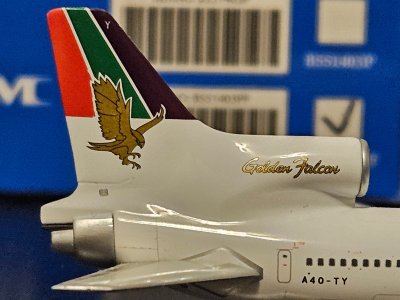
Close up shot of the tail, where all the colors of the Gulf Air scheme of the era is visible.
View attachment 72845
The original violet color was meant to represent the State of Qatar, while the Red and Green were representative of the UAE, Oman, and Bahrain. This scheme lasted until the early 2000's, when Bahrain took full control over Gulf Air as its flagship carrier while the other Gulf States withdrew and created their own Flag Carriers(Oman Air, Qatar Airways, Emirates, and Etihad).
Fast forward to 2017, the Gulf States have this massive falling out with Qatar, accusing Qatar of working against the interests of the other Gulf States. Qatar was shunned by the others, airspace was restricted, and the Saudi's threatened to turn Qatar into an island by digging up their land border with them. As Gulf Air was now the flag carrier of Bahrian, it had to follow its government in shunning Qatar. So when Gulf Air's 70th anniversary came along in 2019, they wanted to paint an aircraft in its iconic retro scheme. But political considerations meant they couldn't. Painting the violet on the aircraft would be a tacit recognition of Qatar, so it was replaced with gold, which made since since "Golden Falcon".
Long story short, the reason why the gold was used and not the historically accurate violet was because Bahrain didn't want to acknowledge the Qatari role in Gulf Air's history due to a silly political dispute.

That was a conscious choice made by Gulf Air. There's a good story behind it.
Gulf Air was founded from the remains of BOAC's operations in the former British colonies in the Gulf(namely Bahrain, Qatar, UAE, and Oman). These four states each purchased 25% of the company to create a flag carrier for the Gulf region. This meant a new brand identity was needed to represent each of the Gulf nations. They ended up settling on the lovely Golden Falcon scheme, characterized by its use of gold titling and three main colors; Violet, Green, and Red.
View attachment 72846
Close up shot of the tail, where all the colors of the Gulf Air scheme of the era is visible.
View attachment 72845
The original violet color was meant to represent the State of Qatar, while the Red and Green were representative of the UAE, Oman, and Bahrain. This scheme lasted until the early 2000's, when Bahrain took full control over Gulf Air as its flagship carrier while the other Gulf States withdrew and created their own Flag Carriers(Oman Air, Qatar Airways, Emirates, and Etihad).
Fast forward to 2017, the Gulf States have this massive falling out with Qatar, accusing Qatar of working against the interests of the other Gulf States. Qatar was shunned by the others, airspace was restricted, and the Saudi's threatened to turn Qatar into an island by digging up their land border with them. As Gulf Air was now the flag carrier of Bahrian, it had to follow its government in shunning Qatar. So when Gulf Air's 70th anniversary came along in 2019, they wanted to paint an aircraft in its iconic retro scheme. But political considerations meant they couldn't. Painting the violet on the aircraft would be a tacit recognition of Qatar, so it was replaced with gold, which made sense since "Golden Falcon".
Long story short, the reason why the gold was used and not the historically accurate violet was because Bahrain didn't want to acknowledge the Qatari role in Gulf Air's history due to a silly political dispute.

Nothing yetObligatory “any updates” reply…


Hopefully so — and it’s not just more models from their home countryGuessing they'll add stuff to this

As far as this issue is concerned, aside from one unidentified A318, there were no mainland Chinese registrations in April release.Hopefully so — and it’s not just more models from their home country
Beneficial from a global standpoint already.As far as this issue is concerned, aside from one unidentified A318, there were no mainland Chinese registrations in April release.

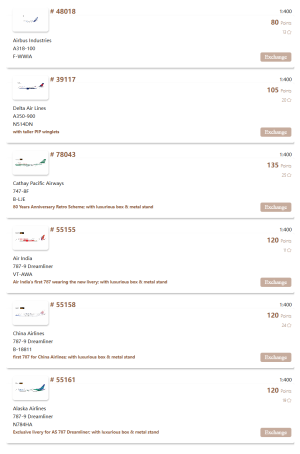
What does PIP winglets mean? I think I have enough for the Delta A350 but I don’t need it.here is small exchange event tomorrow. it confirms 6 models in the next release
View attachment 73414
Taller updated wingletsWhat does PIP winglets mean? I think I have enough for the Delta A350 but I don’t need it.
here is small exchange event tomorrow. it confirms 6 models in the next release
View attachment 73414
I guess it’s a good thing we’re getting these planes now, but this strategy has been pretty consistent lately. Has it always guaranteed an early arrival before the normal shipment?here is small exchange event tomorrow. it confirms 6 models in the next release
View attachment 73414

Thanks for sharing this beauty my friend. The L-1011 is spectacular and sharing the history around it and around Gulf Air is realy interesting.That was a conscious choice made by Gulf Air. There's a good story behind it.
Gulf Air was founded from the remains of BOAC's operations in the former British colonies in the Gulf(namely Bahrain, Qatar, UAE, and Oman). These four states each purchased 25% of the company to create a flag carrier for the Gulf region. This meant a new brand identity was needed to represent each of the Gulf nations. They ended up settling on the lovely Golden Falcon scheme, characterized by its use of gold titling and three main colors; Violet, Green, and Red.
View attachment 72846
Close up shot of the tail, where all the colors of the Gulf Air scheme of the era is visible.
View attachment 72845
The original violet color was meant to represent the State of Qatar, while the Red and Green were representative of the UAE, Oman, and Bahrain. This scheme lasted until the early 2000's, when Bahrain took full control over Gulf Air as its flagship carrier while the other Gulf States withdrew and created their own Flag Carriers(Oman Air, Qatar Airways, Emirates, and Etihad).
Fast forward to 2017, the Gulf States have this massive falling out with Qatar, accusing Qatar of working against the interests of the other Gulf States. Qatar was shunned by the others, airspace was restricted, and the Saudi's threatened to turn Qatar into an island by digging up their land border with them. As Gulf Air was now the flag carrier of Bahrian, it had to follow its government in shunning Qatar. So when Gulf Air's 70th anniversary came along in 2019, they wanted to paint an aircraft in its iconic retro scheme. But political considerations meant they couldn't. Painting the violet on the aircraft would be a tacit recognition of Qatar, so it was replaced with gold, which made sense since "Golden Falcon".
Long story short, the reason why the gold was used and not the historically accurate violet was because Bahrain didn't want to acknowledge the Qatari role in Gulf Air's history due to a silly political dispute.

it does not arrive earlier, it just allows you to exchange point on new modelsI guess it’s a good thing we’re getting these planes now, but this strategy has been pretty consistent lately. Has it always guaranteed an early arrival before the normal shipment?