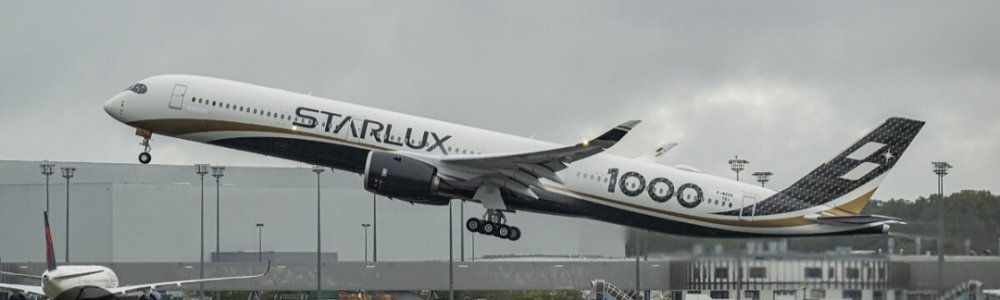
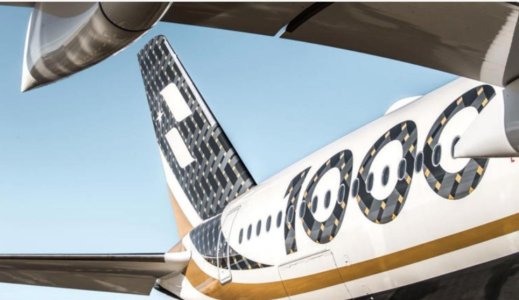
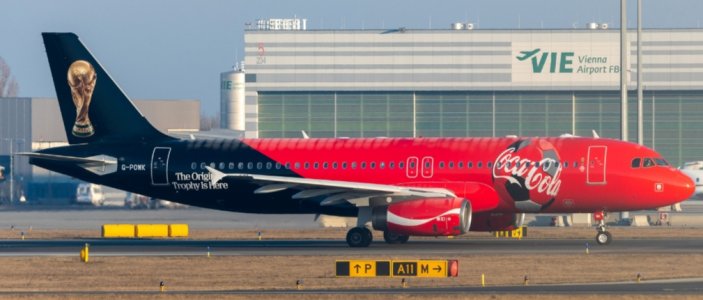
Got this bird here in Fortaleza yesterday. Sadly, very crappy light...
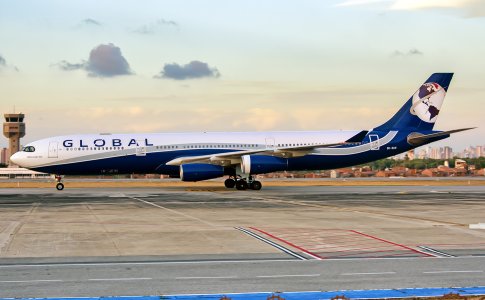


Your pics are always beautiful. I remember the pleasure of looking at the spotter photos of masters like you, Michael (Conventi) from Dusseldorf, sba757 from Miami and few other.
Your pics are always beautiful. I remember the pleasure of looking at the spotter photos of masters like you, Michael (Conventi) from Dusseldorf, sba757 from Miami and few other.

I remember seeing somewhere that they regret not getting more 753s as they’re such a great aircraft. Despite the reassurance that the 75s will stay, the more special ones without winglets (both charter and normal configs) are still being phased out which I don’t see to much anymore here in ATL.Good news for the B757-200 and B757-300, for Delta Air Lines and for all USA spotters and enthusiasts: a recent interview with Delta CEO discovered airline B757 future.
"Delta plans to keep its Boeing 757s operational well beyond 2030, potentially into the late 2030s. Despite their advanced age (average age of about 27 years for 757-200s), these paid-off aircraft are economical to operate and essential for high-density routes, gradually being replaced only by Airbus A321neos.
Key points about the Delta B757 fleet:
Extended service life: The Boeing 757s are expected to fly for Delta until the late 2030s, said the company's fleet manager.
Economics: As fully paid-off and depreciated aircraft, operating costs are low despite maintenance expenses and fuel consumption.
Phased Replacement: The Airbus A321neo is replacing part of the fleet, but delivery delays (including the 737 MAX 10) are further pushing the 757 phaseout.
Use: The 757-300s are particularly popular for their high capacity (234 seats) on busy routes.
Fleet Size: Delta operates 88 Boeing 757-200s and 16 Boeing 757-300s".
...and Alaska Airlines continues to buy airplanes.airwaysmag never disappoints.
Alaska Airlines B787-9 with new livery, really impressive!
View attachment 66068


Looks amazing!! Not crappy light in my opinion… as a DCA spotter I never get any widebodies so any widebody looks quite amazing to me



View attachment 66502
Looks like Allegiant is acquiring Sun Country. 2026 will be a year of mergers here in the US
Yay such airline diversityView attachment 66502
Looks like Allegiant is acquiring Sun Country. 2026 will be a year of mergers here in the US
Will the Sun Country brand be absorbed and all of their planes get repainted?View attachment 66502
Looks like Allegiant is acquiring Sun Country. 2026 will be a year of mergers here in the US

 skift.com