
Charter
Well-known member
You ask i answer!Asiana's unique and distinct livery will be missed! No other airline in good memory used this unconventional combination of colours as beautifully as their livery did.
I've looked up often for the meaning and symbolism (if any) behind the Asiana livery design - both the previous and this one - but really couldn't 'unearth' (pun intended) much.
If anyone could throw light on what these colours meant - will be much obliged

1988-2006
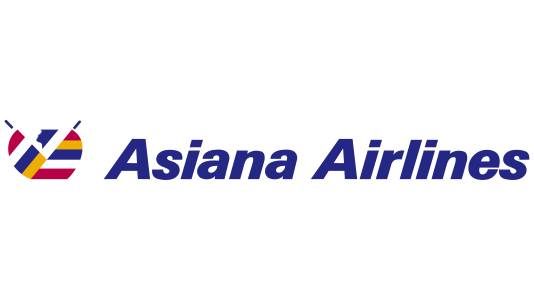
From 1988 to 2006, Asiana Airlines used a logo that was eye-catching and deeply rooted in Korean culture and philosophy. The company’s logo, with blue letters, conveyed a sense of calm and confidence, reflecting the airline’s reliability and professionalism.
The most noticeable element of the logo is the depiction of a person in a bowing pose with arms raised towards the sky. This symbol carries deep cultural significance. The person is dressed in clothing adorned with yellow, red, blue, and white stripes, each color having a special meaning in the Korean Obangsaek tradition, representing the five directions and elements of the world.
Blue symbolizes the east, and the wood element is associated with growth and development. Red represents the south and fire, signifying strength and energy. Yellow corresponds to the center and earth, embodying stability and fertility. White is associated with the West and metal, symbolizing purity and strength. These colors indicate the geographical coverage of the company’s flights across the country and the world, reflecting the philosophy of harmony and balance that is crucial for the well-being and longevity of any enterprise.
The Asiana Airlines logo served as a visual representation of the brand and a talisman, blessing and protecting the company and its passengers. This logo vividly reflects Korean cultural identity and philosophy, making it significant in commercial and cultural contexts.
2006-2013
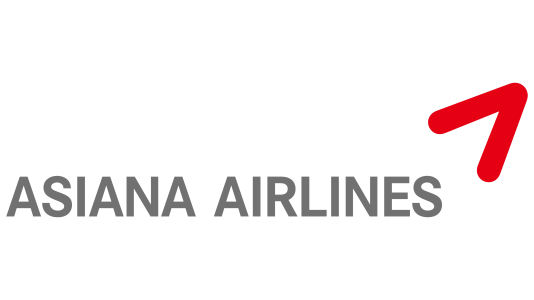
The updated Asiana Airlines logo represents a significant visual transformation, symbolizing a new phase in the company’s development. The logo design reflect.
The main text of the logo is rendered in thin uppercase letters of light gray. This color choice is deliberate: gray symbolizes the strength and reliability of metal, suggesting the durability and longevity of Asiana Airlines’ technologies and their focus on using advanced technological solutions in aviation construction and service.
At the top right of the logo, there is a noticeable red element that resembles a checkmark or a stylized bird soaring upward. This symbol embodies dynamism and speed, key attributes associated with the aviation industry. Red is traditionally used to attract attention and express passion and energy, highlighting Asiana Airlines’ ambition to expand its presence in the global aviation industry.
The letters in the company name stretch upward, creating a visual sense of ascent and growth. This design technique conveys the company’s aspiration for continuous development and progress, as well as reaching new heights in service quality and customer satisfaction.
2013-2017
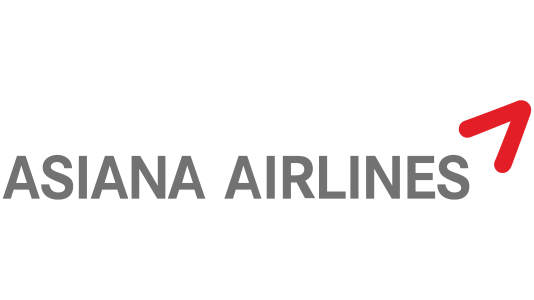
The logo is visually almost identical to its previous version, though several details have changed. The primary modifications affect the size of the red symbol and the placement of the inscription. The symbol itself, resembling a checkmark or a stylized arrow, has become more compact, slightly shorter in length. As a result, the proportions of the entire emblem have shifted, prompting the inscription, rendered in the same formal, calm typeface, to move higher and become larger.
The typeface remains unchanged. Letters retain their straightforward and restrained style, without noticeable curves or decorative elements.
These proportional adjustments were implemented to balance the arrangement of the text and symbol. Previously, the visual weight of the logo leaned heavily to the right; now, it is more evenly distributed and balanced.
2017-2024
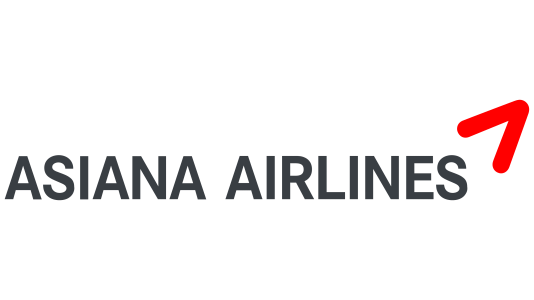
The company’s redesigned logo features darker and larger letters, enhancing its visual impact and making the logo more substantial and noticeable. These changes strengthen the brand’s visual presence, underscoring its stability and authority in the market.
The red bird in the logo is now smaller, contributing to a more balanced and harmonious image. This small but bright image is a focal point that draws attention without dominating the overall design. This feature adds elegance and lightness to the logo, emphasizing the company’s dynamism and pursuit of progress.
The minimalist design incorporates metallic shades, making the logo modern and stylish. The metallic effect mirrors the company’s focus on innovation and technology while lending a sense of luxury and high quality to the overall look.
2024-today
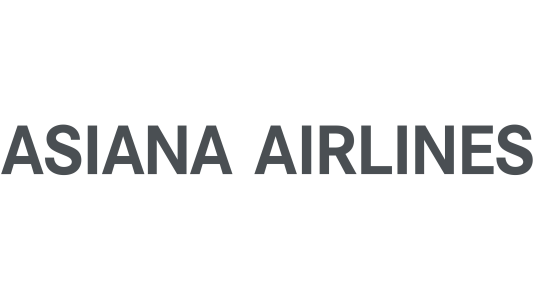
The updated airline emblem features a refined, text-based logo, reflecting the changes following Korean Air’s acquisition of shares. After parting ways with Kumho Asiana Group, the company said goodbye to the red arrow, leaving behind a minimalist wordmark. The font retains its previous proportions, keeping the airline recognizable to its customers. The letters, solid, straight, and confident, symbolize the brand’s stability during its transition to competitor control.
The merger, initially intended to completely absorb the Asiana brand, faced resistance from American antitrust authorities. Ultimately, Korean Air became a major shareholder but allowed the airline to retain its name. The restrained gray color of the new emblem emphasizes the company’s key qualities—calmness, reliability, and experience.












 s are leaving