
Pacific
Well-known member
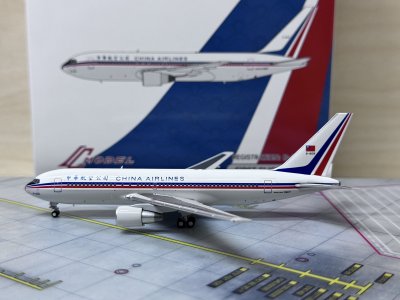
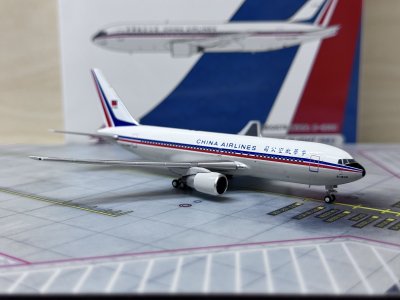
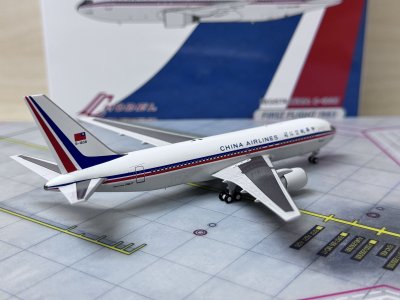
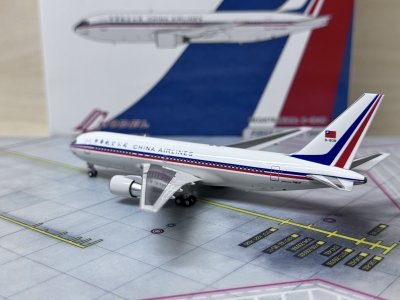
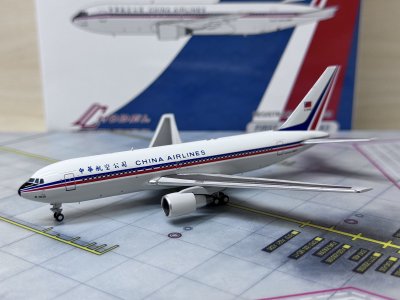
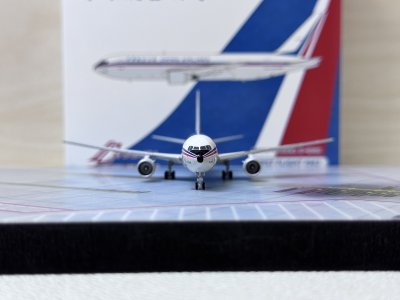
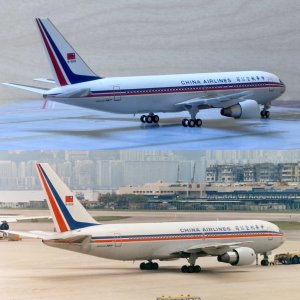
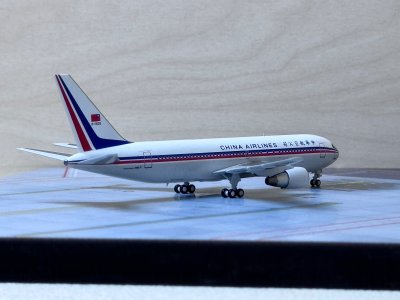
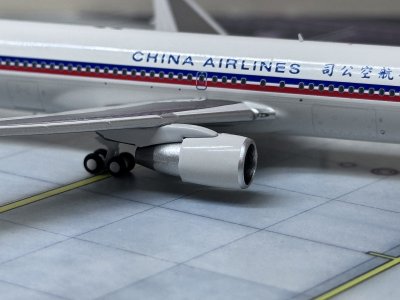
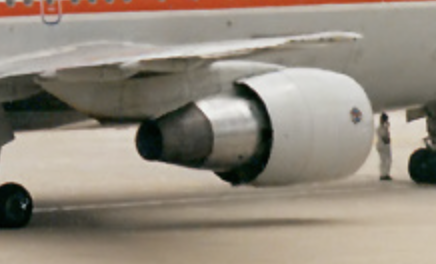
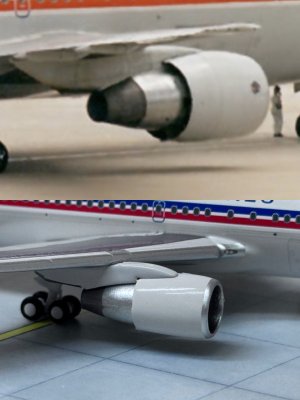
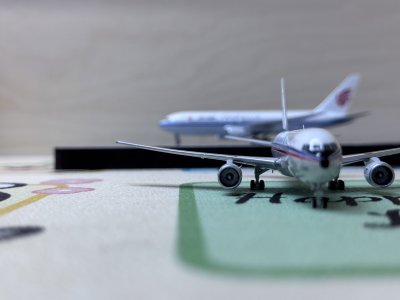
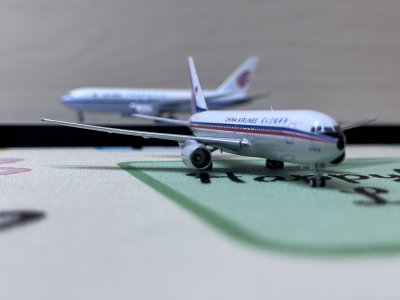
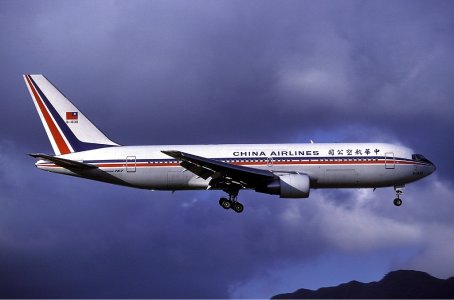
C Model B767-209 China Airlines B-1838
Manufactured by PandaModel
B-1838 is a Boeing 767-200 baseline airliner developed by Boeing. As Boeing's first twin-engine wide-body aircraft, it completed its maiden flight on September 26, 1981, and was officially put into commercial operation in September 1982. Targeting the Airbus A300/A310 series as its core competitors, it was designed to fill the market gap left by the retirement of aging medium-and long-haul airliners such as the Boeing 707 and DC-8.
In 1983, China Airlines of Taiwan became one of the first airlines in the Asia-Pacific region to introduce the Boeing 767-200, taking delivery of two aircraft (B-1837 and B-1838). At that time, as a new-generation twin-engine wide-body aircraft, the Boeing 767 was highly anticipated by China Airlines for its high fuel efficiency and low operating costs. It was planned to replace the airline’s aging Boeing 707 fleet and focus on medium-and long-haul international routes from Taipei to Southeast Asia, Northeast Asia and Oceania.
After its delivery, B-1838 mainly operated routes from Taipei Taoyuan/Songshan to Tokyo Haneda, Seoul Gimpo, Singapore Changi, Sydney Kingsford Smith and other destinations, serving as a core aircraft type for China Airlines to expand its Asia-Pacific route network in the 1980s. Although China Airlines was labeled with a "poor flight safety record" due to multiple accidents at that time, and there was a circulating "four-year curse" claiming that new aircraft were prone to major accidents within four years of operation, B-1838 maintained a flawless safety record throughout its service life. It accumulated over 25,000 hours of safe flight time and transported more than 4 million passengers until its retirement in 1989.
Manufactured by PandaModel
B-1838 is a Boeing 767-200 baseline airliner developed by Boeing. As Boeing's first twin-engine wide-body aircraft, it completed its maiden flight on September 26, 1981, and was officially put into commercial operation in September 1982. Targeting the Airbus A300/A310 series as its core competitors, it was designed to fill the market gap left by the retirement of aging medium-and long-haul airliners such as the Boeing 707 and DC-8.
In 1983, China Airlines of Taiwan became one of the first airlines in the Asia-Pacific region to introduce the Boeing 767-200, taking delivery of two aircraft (B-1837 and B-1838). At that time, as a new-generation twin-engine wide-body aircraft, the Boeing 767 was highly anticipated by China Airlines for its high fuel efficiency and low operating costs. It was planned to replace the airline’s aging Boeing 707 fleet and focus on medium-and long-haul international routes from Taipei to Southeast Asia, Northeast Asia and Oceania.
After its delivery, B-1838 mainly operated routes from Taipei Taoyuan/Songshan to Tokyo Haneda, Seoul Gimpo, Singapore Changi, Sydney Kingsford Smith and other destinations, serving as a core aircraft type for China Airlines to expand its Asia-Pacific route network in the 1980s. Although China Airlines was labeled with a "poor flight safety record" due to multiple accidents at that time, and there was a circulating "four-year curse" claiming that new aircraft were prone to major accidents within four years of operation, B-1838 maintained a flawless safety record throughout its service life. It accumulated over 25,000 hours of safe flight time and transported more than 4 million passengers until its retirement in 1989.